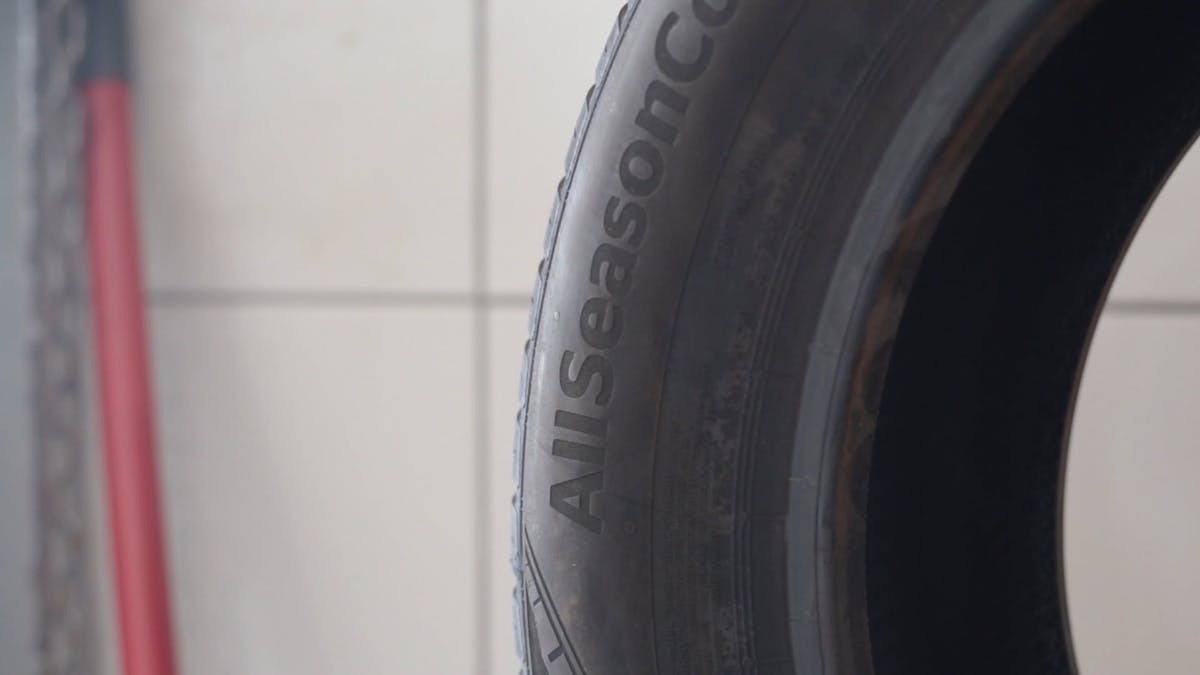
The lifespan of a tire, a crucial question for any driver, depends on several factors. While wear is inevitable, understanding how many kilometers one can travel with a tire before needing to replace it can help plan vehicle maintenance. Factors such as tire quality, driving style, road conditions, and even climate can all influence the distance a tire can cover before requiring replacement. Considering these elements can help maximize a tire’s lifespan and ensure safe driving.
Understanding Tire Wear: Definition and Causes
The lifespan of tires is subject to various factors that influence their wear. Understanding these elements is essential for any vehicle owner, as it allows for optimizing the ‘tire lifespan’.
One of the first factors to consider is the type and quality of rubber used in manufacturing. High-end tires are generally designed with durable materials that offer greater longevity. Conversely, standard products made from less resilient material tend to wear out more quickly, negatively impacting the ‘tire lifespan’.
The driver’s habits also play a significant role in this durability. Sporty driving characterized by sudden braking or rapid acceleration will put more stress on the rubber, thus reducing their ‘lifespan’. In contrast, gentle and cautious driving will help maintain the good condition of the rubber.
The general condition of the roads traveled also strongly influences this: driving mainly on rough or poorly maintained surfaces can considerably decrease your ‘tire lifespan’. Similarly, certain extreme climates can make the rubber less elastic and therefore more prone to premature wear.
To maximize your ‘tire lifespan’, it is essential to strictly follow certain practices such as regularly checking their pressure to ensure it always complies with manufacturer recommendations, as well as ensuring proper wheel alignment to balance wear effects.
Finally, stay alert to potential warning signs such as deeply embedded cracks on the sidewalls or any visible anomalies like bulges or blisters, which often indicate internal structural weakness, etc…
All these precautions will help not only to significantly extend your ‘tire lifespan’ but will also ensure your trips are safe, as any responsible driver would want to avoid potential incidents related to negligence during their daily travels.
Factors That Accelerate Tire Wear
In this section, we will discuss the key warning signs that will help you determine when to properly maintain your tires.
First, monitor the tread wear. The minimum legal depth in France is 1.6 mm, but it is recommended to change tires when the depth reaches 3 mm. Worn tread can significantly compromise the vehicle’s grip on the road, especially in rainy weather.
Another indicator to consider is the presence of abnormal vibrations felt at the steering wheel or in the driver’s seat. If you notice excessive vibrations even at low speeds, this may be a sign that your tires are damaged or unbalanced. In this case, a professional inspection is strongly recommended.
Frequent punctures are also a signal that should be taken seriously. You should immediately replace the affected tire to avoid any dangerous situations. When significant damage occurs (such as a major cut) and cannot be properly repaired, be aware that a structure weakened by a puncture is more likely to burst during high-speed driving, potentially causing serious accidents.
The abnormal presence of uneven wear among different tires should also raise alarms. Misalignment of the wheels or poor balancing can lead to irregular wear that significantly reduces tire lifespan.
The age of the tires must also be taken into account. Even if they have not reached their mileage limit, tires have a maximum recommended lifespan. Manufacturers generally recommend replacing tires every 6 to 10 years, even if their exterior appearance still seems good. Rubber deteriorates over time and loses its grip on the road.
Be sure to replace your tires to ensure your safety and that of other road users. Don’t hesitate to consult a professional if in doubt, and remember that regular maintenance will not only extend the lifespan of your tires but also guarantee a safer and more comfortable driving experience.
Knowing When to Replace Your Tires: Signs to Watch For
In this section, we will explore the various measures you can take to extend the lifespan of your tires and optimize their performance on the road.
It is essential to maintain an adequate tire pressure. Under-inflated or over-inflated tires can lead to premature wear and compromise the vehicle’s handling. Consult the owner’s manual or the label inside the driver’s door for the manufacturer’s recommended pressure. Check tire pressure regularly, ideally every two weeks.
Another important measure is to regularly perform a wheel alignment. Poor alignment can cause uneven tire wear and affect their overall performance. It is recommended to perform an alignment whenever you notice warning signs such as abnormal vibrations at the steering wheel or irregular wear.
Proper wheel balancing is also crucial for preserving your tires. Unbalanced wheels can cause excessive vibrations that damage not only the tires but also other vehicle components. Be sure to have the balance checked when replacing or repairing any wheel-related issues.
The way you drive also has a significant impact on the durability of your tires. Aggressive driving with sudden accelerations, hard braking, and sharp turns can lead to premature wear. Instead, adopt a gentle and steady driving style, anticipating traffic movements to avoid abrupt maneuvers.
It is necessary to periodically rotate your tires to ensure even wear. Consult the owner’s manual or ask your mechanic what the recommended frequency is for your vehicle.
Don’t forget that overall vehicle maintenance plays a crucial role in tire durability. Be sure to follow the manufacturer’s recommendations for regular maintenance: oil changes, filter replacements, technical inspections, etc. A well-maintained vehicle provides an optimal environment for your tires.
By applying these simple yet effective measures, you can significantly extend the lifespan of your tires while improving your safety on the road. Don’t hesitate to consult qualified professionals for more specific advice tailored to your situation.
Tips to Extend the Lifespan of Your Tires
In this section, we will discuss the harmful consequences of driving with worn tires. Driving with tires in poor condition can have a considerable impact on your safety and that of other road users.
One of the major risks is a significant decrease in grip. The grooves present on tires are designed to channel water away and maintain contact between the tread surface and the ground. Over time, these grooves wear down naturally. If they become too shallow or completely disappear, your tires will struggle to evacuate water when it rains, significantly increasing the risk of aquaplaning. In the event of aquaplaning, you completely lose control of the vehicle and can cause a serious accident.
Driving with worn tires also affects handling. Worn tires have less grip on the road and can make your car more difficult to control in certain situations, such as during sudden braking or tight turns. You also risk a significant increase in the stopping distances required to bring your vehicle to a halt in an emergency.
It should be noted that driving with degraded tires can lead to a gradual but continuous loss in fuel economy. Indeed, when your tires are worn, the rolling resistance of the tires is directly related to their state of wear. Worn tires increase the vehicle’s fuel consumption, resulting in higher costs for drivers.
Don’t underestimate the environmental impact of driving with worn tires. Rubber particles from damaged tires are released into the environment when driving and contribute to air pollution. These particles can also contaminate surrounding soils and waterways.
For all these reasons, it is crucial to regularly monitor the condition of your tires and replace them as soon as they become too worn. Not only will this ensure your safety on the road, but it will also save fuel and help preserve the environment by reducing your ecological footprint.
Dangers of Driving with Worn Tires: Risks Involved
In this section, we will explore the possible alternatives to replacing worn tires. While replacement is generally the recommended solution, there are a few options that can be considered under certain specific circumstances.
The first alternative is to proceed with retreading tires. Retreading involves adding a new layer of rubber to the tread of the worn tire. This helps extend its lifespan and saves on the cost of purchasing new tires. It should be noted that not all types of tires can be retreaded and that this option is not always available in all regions.
Another alternative is the use of reconditioned or used tires. Reconditioned tires are those that have been recovered, inspected, and repaired to be usable again. They offer a more affordable option compared to new models while ensuring adequate safety if you choose a reliable and reputable seller.
There is also the option of reshaping worn tires. This technique involves modifying the tread pattern of the existing tire to improve its performance and give it a second life. Reshaping can help optimize grip on wet roads or increase shock resistance, but this will also depend on the type of rubber used during the process.
Be cautious when opting for these alternatives to replacing old tires, as this can compromise safety on the road. Before making a decision, it is crucial to consult a qualified professional who can assess the condition of the tires and advise you on the best solution suited to your situation.
While replacement is generally recommended when tires are worn, some alternatives such as retreading, using reconditioned or reshaped tires can be considered in certain specific cases. However, there are potential risks associated with these options, and it is always important to prioritize road safety above all.