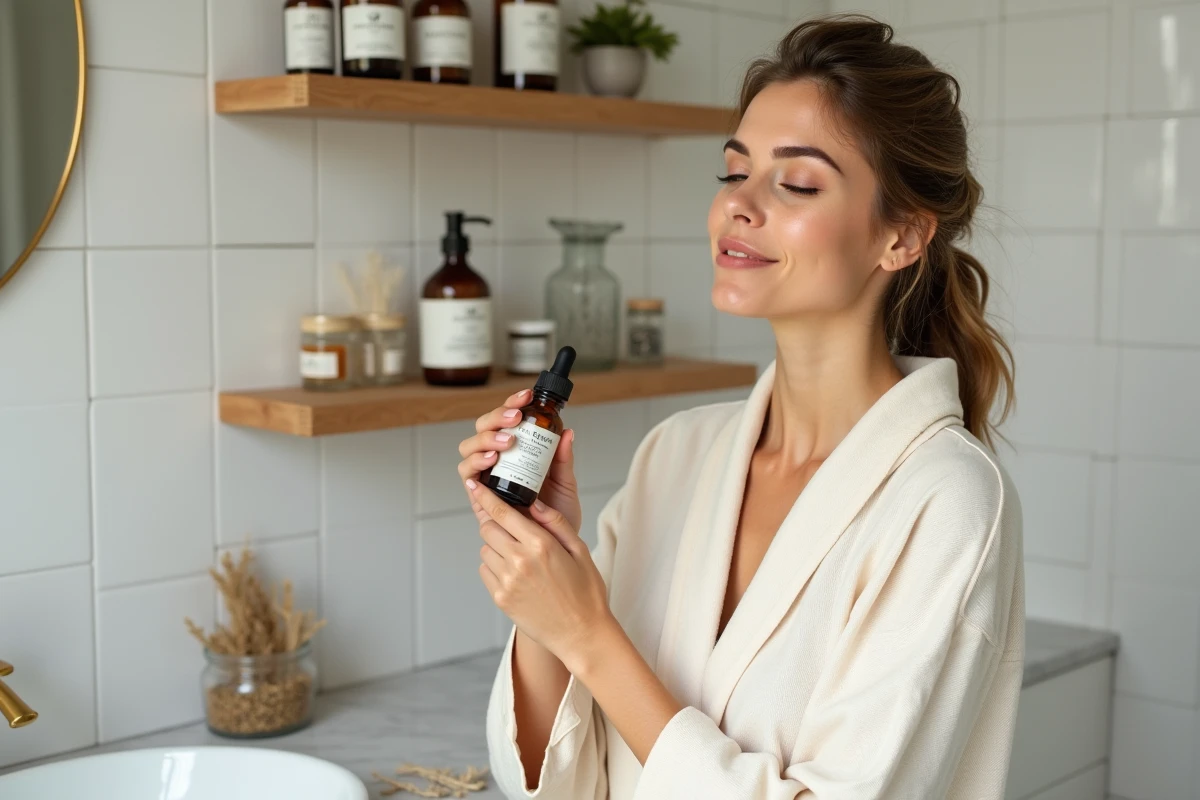
An organic cosmetic meets specific criteria: a minimum percentage of ingredients from organic farming, the absence of synthetic substances like parabens or silicones, and certification from a third-party organization. A natural cosmetic, on the other hand, guarantees a plant or mineral origin of its components, without the obligation of certification. Confusing the two is like comparing an official label to a mere marketing promise.
Difference between organic, natural, and “clean” cosmetics: what European regulations say
The labels Cosmébio, Ecocert, or Natrue impose strict thresholds on the composition of formulas. A certified organic product must contain a minimum of organic ingredients in its total formula, and the list of allowed preservatives or emulsifiers is limited.
The term “natural” has no equivalent legal framework. A cream can display “natural” on its packaging while containing synthetic fragrances or petrochemical derivatives. This ambiguity is exactly what the European Green Claims Directive, approved by the European Parliament in March 2024, aims to correct. This regulation will prohibit vague mentions like “environmentally friendly” or “green” without robust evidence, including for cosmetics.
The word “clean,” which emerged with rating applications like Yuka or INCI Beauty, refers to the absence of controversial ingredients. However, the list of these ingredients varies from one application to another. Building a beauty routine with reliable organic and natural cosmetics therefore requires first checking for a certified label, not just a score on an app.

Reading the INCI list: ingredients to look for in a face or body care product
The INCI list (International Nomenclature of Cosmetic Ingredients) is mandatory on every packaging. Ingredients are listed in descending order of concentration. The first third of the list constitutes the real core of the formula.
In an organic face care product, the first lines usually mention vegetable oils (Argania Spinosa Kernel Oil for argan, Butyrospermum Parkii Butter for shea) or floral water. If the first ingredients have long names ending in “-one” or “-siloxane,” the formula relies on silicones, regardless of the claims on the packaging.
Three quick reading tips
- Check that water or a vegetable oil is in the first position, not a synthetic solvent like Cyclopentasiloxane.
- Look for the mention “Fragrance” or “Perfume” without specifying the origin: it often indicates a synthetic blend, even in a product sold as natural.
- Search for an asterisk referring to “ingredient from organic farming”: the more asterisks there are in the first third, the more the formula is genuinely organic.
This reading takes about thirty seconds and eliminates the majority of products that engage in greenwashing.
Organic cosmetics and fair trade: the criteria that labels do not show
Shea butter, argan oil, and aloe vera are among the star ingredients of organic care products. Their quality directly depends on the production conditions and remuneration of the cooperatives that supply them.
The Cosmébio union noted in its 2024 annual report that the demand for fair trade organic products is significantly increasing for vegetable oils and butters used in body care. Several French brands now integrate fair trade supply chains as a basic criterion for their ranges, rather than as a limited edition or premium line.

A label like Cosmos Organic combined with a Fair Trade or Equitable mention covers both the composition and the supply chain. This double level of verification remains the most reliable way to ensure that the purchased care respects both the skin and the producers.
Building an organic beauty routine for the face: the products that really matter
Accumulating steps does not improve results. An effective organic cosmetic routine relies on three well-chosen products rather than eight layered ones.
The cleanser
A gentle cleanser, in the form of an oil or sulfate-free gel, removes impurities without harming the hydrolipidic film. Combination to oily skin benefits from prioritizing jojoba oil in the first position on the INCI list: it regulates sebum without a comedogenic effect.
The moisturizing care
A cream or serum based on plant hyaluronic acid, organic aloe vera, or shea butter is the cornerstone of hydration. The choice of care depends on skin type, not current trends. Dry skin needs a fatty substance (butter, rich oil), while combination skin requires a light texture (gel-cream, aqueous serum).
The protection
A mineral sunscreen (zinc oxide, titanium dioxide) completes the routine in the morning. Mineral filters are the only ones allowed in organic specifications, as chemical filters like oxybenzone are excluded by the Cosmos and Natrue standards.
Rating applications and the transition to organic: a useful tool with limitations
The Yuka and INCI Beauty applications have accelerated the transition to more natural routines by making product compositions readable in seconds. Their influence on purchasing choices is now a documented fact in the French market.
Their limitation lies in the rating methodology. An ingredient may be “poorly rated” out of caution without established scientific evidence of risk at the used dose. Conversely, a well-rated product may lack real effectiveness on the skin. The rating does not replace reading the INCI list or verifying a certified label.
Adopting organic and natural cosmetics for the face and body involves a methodical sorting: checking the label, reading the first INCI ingredients, prioritizing brands that are transparent about their supply chains. The European regulatory framework is tightening, and products that rely solely on marketing claims without evidence will gradually lose their right to claim to be “green”.