
Bread, a staple food in many cultures, can become a vector for health problems when contaminated by mold. These fungal organisms often thrive in high humidity conditions and can produce mycotoxins, substances that can be potentially toxic to humans. Consuming moldy bread therefore exposes individuals to significant health risks, ranging from allergic reactions to digestive disorders, and even more serious conditions such as food poisoning or cancer. Vigilance is essential to avoid consuming contaminated products and to preserve one’s health.
Understanding the mechanisms of mold in food
Molds, these filamentous invaders, constitute a complex ecosystem. They spread by weaving hyphae, these microscopic filaments that penetrate deeply into the food material. This dense and extensive network is not only a means of survival for the mold but also a method of nutrient assimilation. The hyphae are used by the mold to infiltrate and feed, thus transforming the infected product into a favorable environment for their development.
Fermentation, a biochemical phenomenon commonly associated with the preparation of certain foods, can be two-faced: beneficial, as in the production of cheese or wine, or harmful when it results from the activity of undesirable molds. Indeed, a biofilm, primarily composed of yeasts, can form and protect the molds, making their eradication more difficult. This biofilm acts as a shield, preserving the fungal structures from external aggressions and allowing their spread. Yeasts, by forming this biofilm, play a key role in the persistence of molds on food.
The dangers of consuming moldy bread are not limited to visual or taste discomfort; they also lie in the potentially produced toxins from these organisms. Mold can be both beneficial and harmful, depending on the type and conditions of development. That is why, when faced with moldy bread, caution is essential and rejection is mandatory, as the health risks should not be taken lightly.
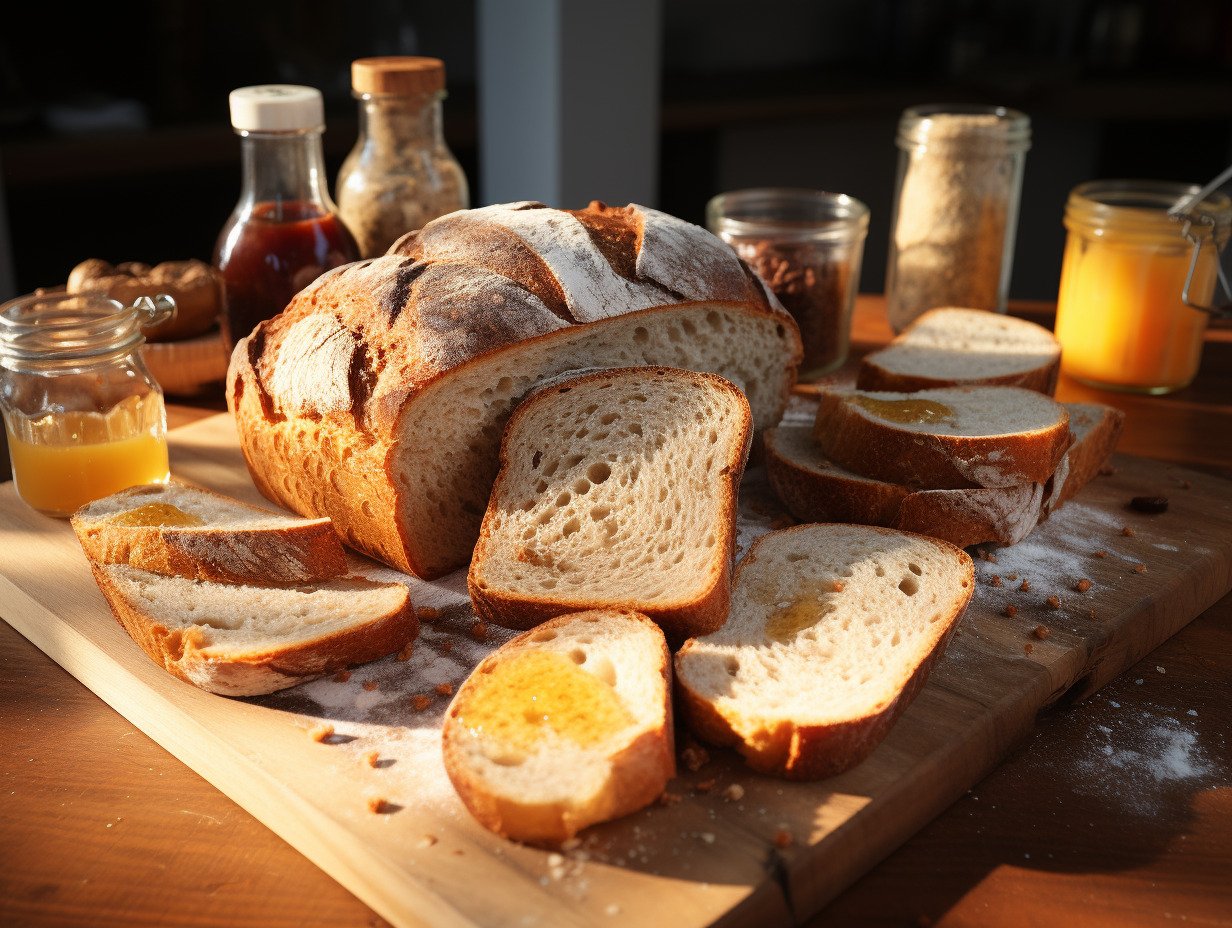
The dangers of mycotoxins in moldy bread for human health
The proliferation of molds such as Penicillium crustosum on bread is not just a simple visual or organoleptic inconvenience; it signifies the production of mycotoxins, chemical compounds harmful to human health. These toxins, invisible to the naked eye, can have deleterious effects both in the short and long term. The World Health Organization (WHO) warns about the consequences of exposure to mycotoxins, which range from simple allergic reactions to more serious conditions such as ergotism, a poisoning historically linked to the consumption of contaminated rye.
Therefore, preserving bread is fundamental to avoid the production of these toxic substances. Techniques such as refrigeration and freezing can maintain the quality of bread and prevent mold growth. The minimum durability date (MDD), often found on packaging, indicates the period during which the bread retains its optimal properties. Adhering to this date and appropriate preservation methods significantly reduces the health risks associated with consuming moldy bread.
Mycotoxins also pose a major problem in the agri-food industry, where contamination of food products by moldy foods can have repercussions throughout the entire production chain. Monitoring, hygiene, and rigorous preservation practices are therefore essential to protect human food from the dangers of contaminated foods. It is imperative to discard bread at the first signs of mold, as mycotoxins could already be present in dangerous quantities for health, even if they are not visible.