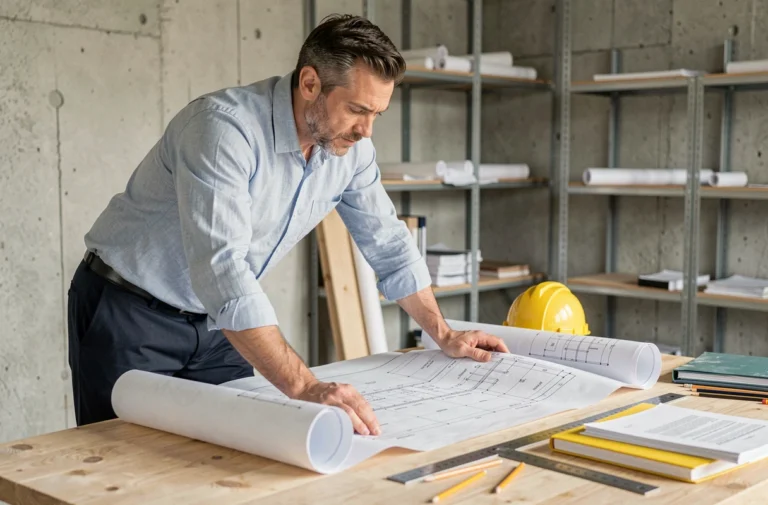
The installation of PVC paneling is an effective method for covering walls and ceilings, providing a clean and modern aesthetic. Achieving perfection when installing the last panel can be a challenge. This crucial step requires special attention, as it is often where mistakes are most visible. Precise cutting, meticulous fitting, and adherence to expansion gaps are essential for a flawless finish. Expert advice can make the difference between amateur work and a professional result, especially when it comes to this final piece of the puzzle.
Preparation and Adjustment Before Installing the Last PVC Panel
Before starting the installation of your PVC paneling, organization and preparation are crucial. Ensure that the wooden framework is solid and level, as it serves as the fundamental support for the installation. A thorough check of plumb and level will prevent laborious adjustments later on. Next, prepare the last PVC panel: measure the remaining space accurately, taking into account the necessary expansion gaps to avoid any deformation of the rot-proof, stable, easy-to-transport, and easy-to-work material.
When approaching the cutting of the last panel, incorporate the specifics related to outlets and switches. A precise fit around these electrical components is essential for a neat finish. Use the appropriate installation tools to make clean and accurate cuts, such as miter saws, utility knives, or hole saws, depending on the complexity of the cuts. A template can be useful for accurately reproducing the necessary cuts on the panel.
Apply the techniques for properly installing the last panel of PVC paneling. This step requires a skilled hand and attention to detail to ensure that the panel fits perfectly into the overall design without compromising aesthetics or functionality. If you have difficulty inserting the panel into the tight space, consider using lever tools or wedges to facilitate the maneuver. The fastening, whether stapled, glued, or screwed, must be done carefully to ensure the durability of the installation.
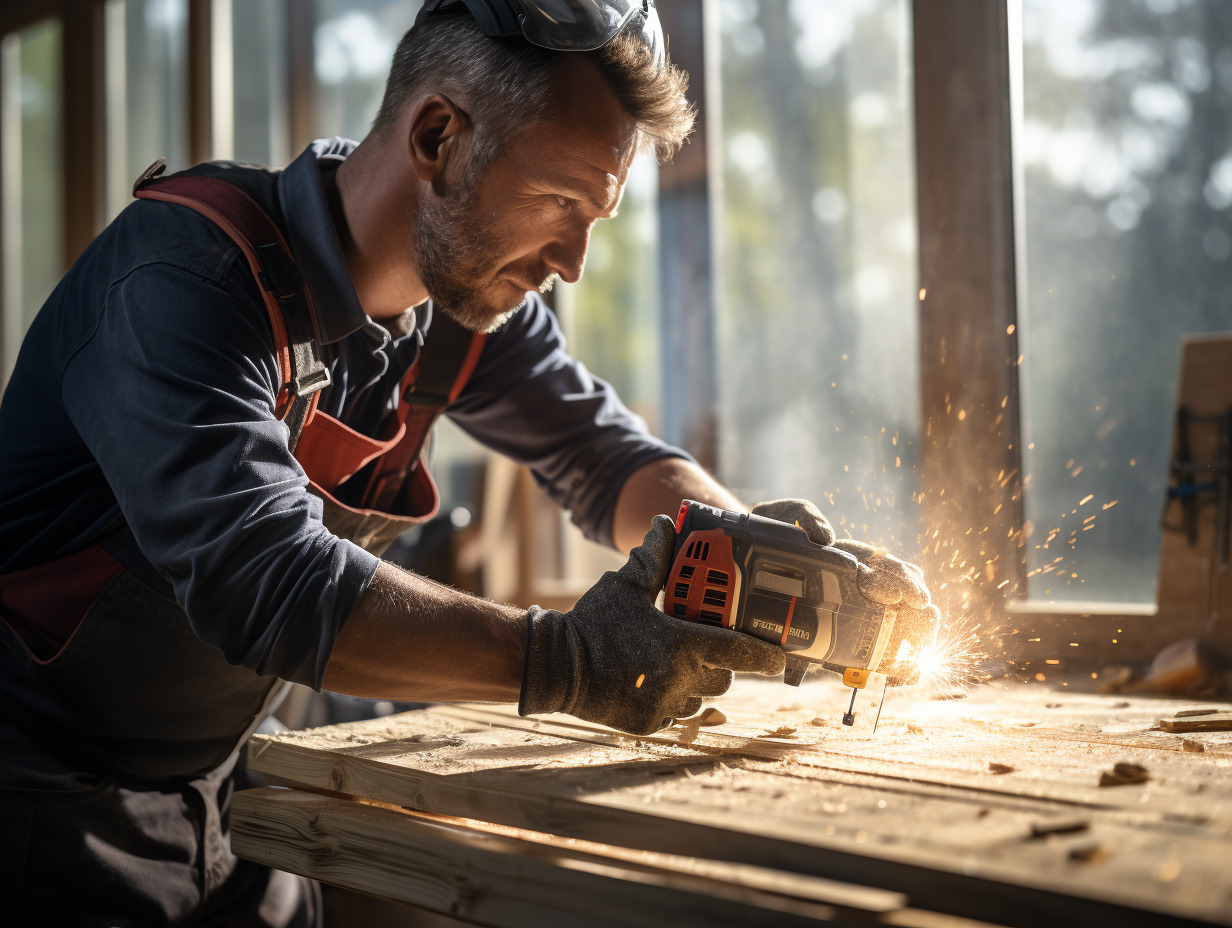
Techniques and Tips for Correctly Installing the Last PVC Panel
The installation of the last PVC panel requires special attention. Consider the options for horizontal, vertical, or diagonal installation: each method influences the calculation and cutting of the last panel. Depending on the chosen orientation, adapting to the constraints of the space will be different. For a flawless finish, measure the remaining space meticulously, taking into account not only the width of the panel but also the expansion gaps.
The cutting of the PVC paneling, whether it is a lost cut or a stone cut, is crucial for the final adjustment. The lost cut allows for adapting the last panel to the exact dimensions, while the stone cut, which is more aesthetic, requires precise adjustment and a neat finish. Use a handsaw for straight cuts and a hole saw for the necessary cuts around the outlets and switches. Ensure that the panel fits without forcing, to avoid compromising its structure.
Regarding the fastening, you have several methods to choose from: stapled, glued, or screwed. Each technique has its advantages and will suit depending on the type of wall and personal preference. For stapled fastening, the staples should be spaced evenly and inserted into the thickness of the tongue, so they remain invisible once the installation is complete. A glued fastening will be ideal for smooth and clean walls, while a screwed fastening will provide increased strength, particularly recommended for areas subject to heavy use.
The finishes are the final step to harmonize the appearance of your installation. Using battens for fastening provides a solid structure for the PVC paneling. Baseboards or finishing profiles will conceal cuts and expansion spaces, giving your work a professional and polished look. The last row of paneling, well installed, then becomes the signature of a mastered installation.