
Going on a trip without knowing what to do there is a bit like opening a book at random and hoping to land on the right chapter. The difference between an ordinary stay and a memorable experience often hinges on a specific activity, one that was unplanned or carefully chosen. Travel activities are no longer just about ticking off monuments on a list. They vary by type of experience, level of engagement, and destination.
Choosing a travel activity suited to your traveler profile
Have you ever noticed that two people visiting the same city come back with completely different stories? One may have spent three hours in an indoor market tasting local dishes. The other may have hopped from museum to museum. Neither is wrong, but each filtered the options based on what resonates with them.
Before checking out the activities to discover on Quel Voyage, ask yourself a simple question: what pulls you away from your daily routine? The answer guides everything else.
Segmenting by intention rather than by destination changes the way you prepare for a trip. Instead of searching for “what to do in Lisbon,” searching for “culinary workshop Lisbon” or “coastal hike Portugal” filters the results toward something concrete. Experience booking platforms increasingly categorize their offerings: adventure, nature, gastronomy, heritage, urban activities.
This intention-based sorting avoids a common pitfall: accumulating a dozen superficial activities instead of deeply experiencing two or three.
Cultural immersion and local workshops: experiential travel
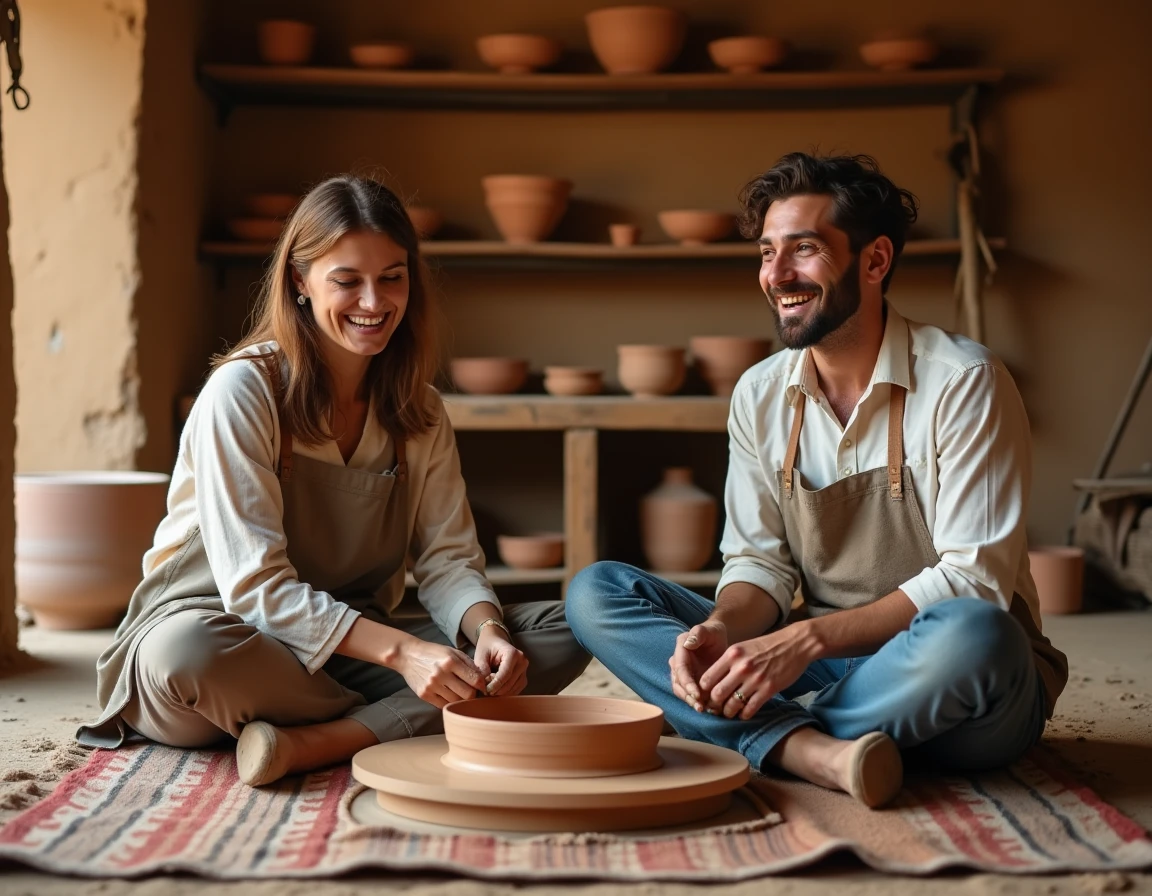
The term “experiential” seems trendy, but it describes something very concrete. Instead of watching an artisan work behind a display case, you learn their craft. Instead of photographing a dish, you prepare it with a local chef.
Culinary workshops while traveling
Participating in a local cooking class remains one of the most accessible activities, regardless of the country. There’s no need to speak the language fluently. The gestures, ingredients, and aromas serve as a common language.
A culinary workshop anchors a memory in the body, not just in visual memory. You leave with a recipe you can recreate at home, extending the journey long after your return.
Artisan immersions and regional know-how
Some regions of the world offer workshops related to their artisan history: pottery, natural dyeing, leatherworking, weaving. These activities are not always listed on major tourism aggregators. To find them, you sometimes need to go through local tourist offices or cultural associations.
A useful selection criterion: favor workshops led by active artisans, not by converted tour guides. The difference is felt in the precision of the explanations and the authenticity of the setting.
Nature and adventure activities: beyond classic hiking
Hiking remains the flagship activity of nature travel. The landscapes of Iceland, the trails of northern Norway, or the gorges of southern France attract hikers of all levels each year.
But reducing nature travel to walking means missing out on less obvious options.
- Observing the Northern Lights in northern countries requires a bit of preparation (season, weather, distance from cities), but the experience has no photographic or video equivalent.
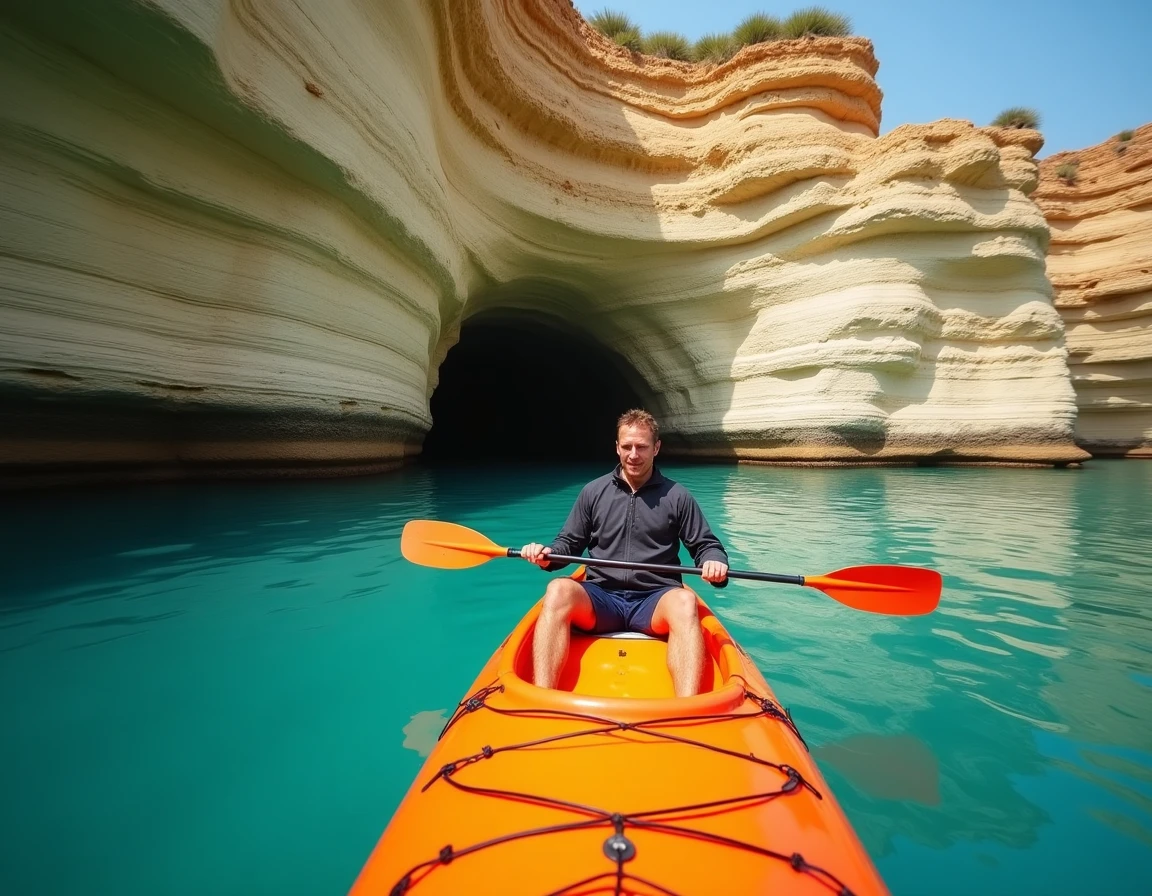
- Sea kayaking along wild coastlines offers a viewpoint inaccessible on foot, with moderate physical effort if you choose guided routes.
- Wildlife observation stays (migratory birds, marine mammals) combine patience, silence, and direct connection with an ecosystem.
The required physical level conditions the pleasure experienced. An activity that’s too easy can be boring, while one that’s too demanding can be exhausting. Always check the level indicated by the organizer and compare it to your actual practice.
Checking the reliability of an activity before booking
Travel content is full of inspiring lists but rarely explains how to distinguish a reliable activity from a shoddy offer. A few simple reflexes make the difference.
Why does this matter? Because a bad experience doesn’t just ruin half a day. It colors the overall memory of the trip.
- Read recent reviews (less than six months old) rather than the overall rating. A provider may have changed guides or formats in the meantime.
- Check if the activity is supervised by a certified professional, especially for outdoor sports or outings in natural environments.
- Compare the activity description on the booking platform with what travelers say on independent forums. Discrepancies often reveal an excess of marketing.
- Prefer small groups to large buses: the participant/guide ratio radically changes the quality of a guided tour or workshop.
Local activities or international platforms
Major activity aggregators offer the convenience of booking everything with one click. Local providers, on the other hand, often offer more personalized formats, with flexibility on schedules or content.
The choice depends on your destination. In a large tourist city, platforms are sufficient. In a less frequented area, contacting a local guide directly opens up possibilities absent from online catalogs.
Neither of these approaches is universally better. The best method is to cross-reference both sources and then decide based on the type of activity sought and the context of the trip.
Your next trip will gain intensity if you spend as much time choosing your activities as you do booking your accommodation. A flight and a bed are logistics. What you do once you’re there is the trip itself.