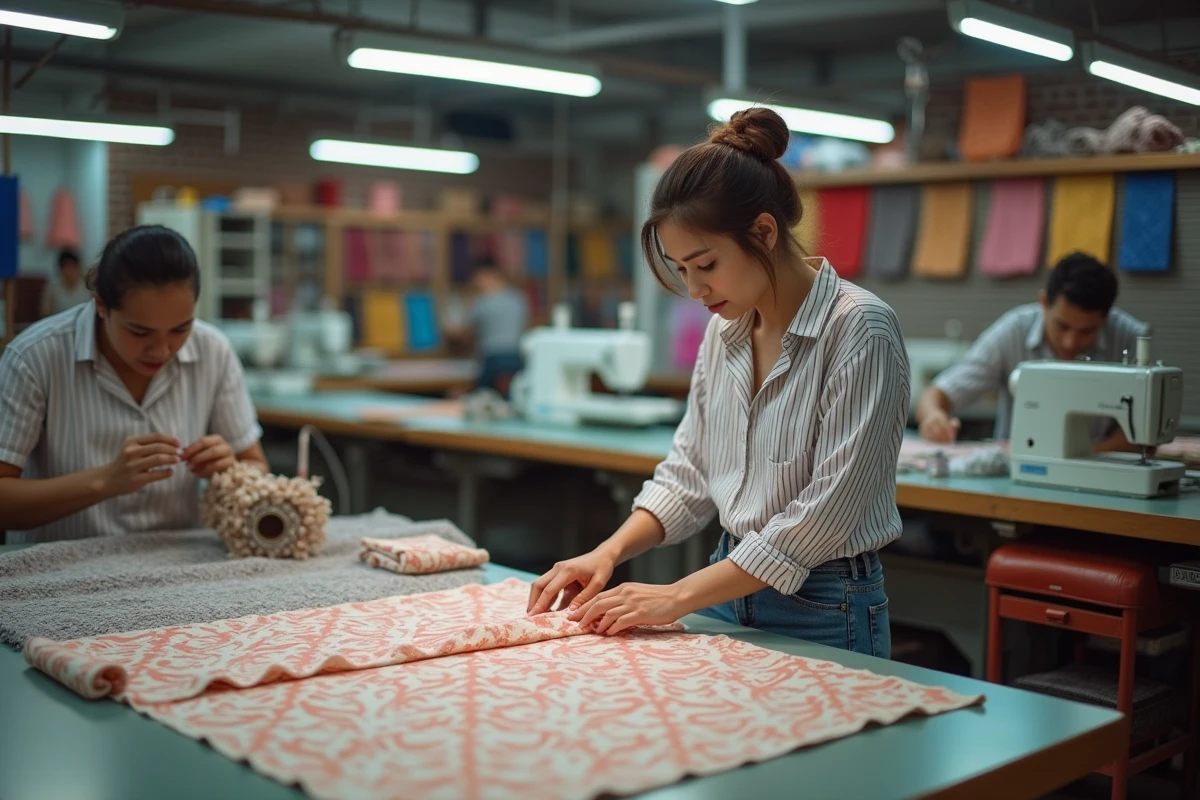
The label “Made in Europe” evokes a promise of quality, but it is not enough to guarantee that every hem has been sewn with dignity. Discreet workshops, sometimes difficult to monitor, hide behind reassuring labels. At Sézane, this reality fuels constant vigilance: each piece undergoes rigorous checks, from raw fiber to the final stitch.
Launched in 2013 by Morgane Sézalory, Sézane showcases its principles: traceability, limited collections, and identified suppliers. This commitment to clarity gives it a unique place in today’s fashion. Here, nothing is left vague: the close collaboration with each workshop and the direct relationship with partners build this foundation of commitment and transparency.
Morgane Sézalory and the birth of a brand like no other
Paris. Morgane Sézalory starts from scratch, convinced that there is another way than accumulation and overproduction. Before Sézane, she was already reworking vintage with “Les Composantes.” When she creates her own house, she makes a decisive choice: to produce with care, to measure each collection, to give meaning to clothing.
Behind every sketch, the founder oversees everything, right down to the placement of the last button. Nothing is automatic: each collection draws from both a retro repertoire and modern vibrancy. The fabrics are not chosen lightly: organic cotton, verifiable wool origins, untreated leather. One fabric, one workshop, a tight-knit address book around partners selected for their technical expertise… and their respect for human rights.
Transparency at Sézane is never limited to words. On its website, the brand explains the origin of materials, the names of workshops, and the impact of its ecological initiatives. For those who want to dig deeper, the Sezane manufacturing revealed details these behind-the-scenes operations that are so jealously guarded elsewhere: meticulous audits, involved partners, claimed traceability.
A few key markers structure the Sézane DNA:
- Creations designed in Paris, with a unique touch and a clear intention in every design.
- Responsible production: European or French suppliers, regularly monitored for their manufacturing methods and social conditions.
- Ethical commitment: transparency, rigorous material selection, social guarantees at production sites.
What does “ethical fashion” really mean at Sézane? A look at concrete decisions
At Sézane, ethical fashion is measured by the test of facts. The brand has built a transparent, documented, and monitored policy that rejects mere announcements: attention to workers, limiting ecological footprints, and refusing secrecy behind the supply chain.
It’s hard to cheat with B Corp certification. Obtaining this label requires constant demands: selection of raw materials, waste reduction (in reality, not just on paper), and transparent tracking of every manufacturing step. It’s not just a blue ribbon hanging on the door; it’s the result of repeated audits and daily effort, even with subcontractors in Portugal, Bulgaria, or France. Workshops are subject to checks on decent working conditions, emissions controls, and compliance with local laws.
Three strong axes structure this dynamic:
- Eco-responsible materials: certified organic cotton, verified wool, recycled polyester when relevant.
- Transparency: detailed information on the origin of each piece, clear manufacturing circuit.
- Solidarity: funding social projects, donation campaigns, charitable collaborations in support.
None of this is presented as a given: Sézane publishes both its progress and its areas for improvement. Responsibility is lived concretely, even in the design of the garments. Ethical demands are not invented; they are documented and displayed, to bring meaning back into every wardrobe.
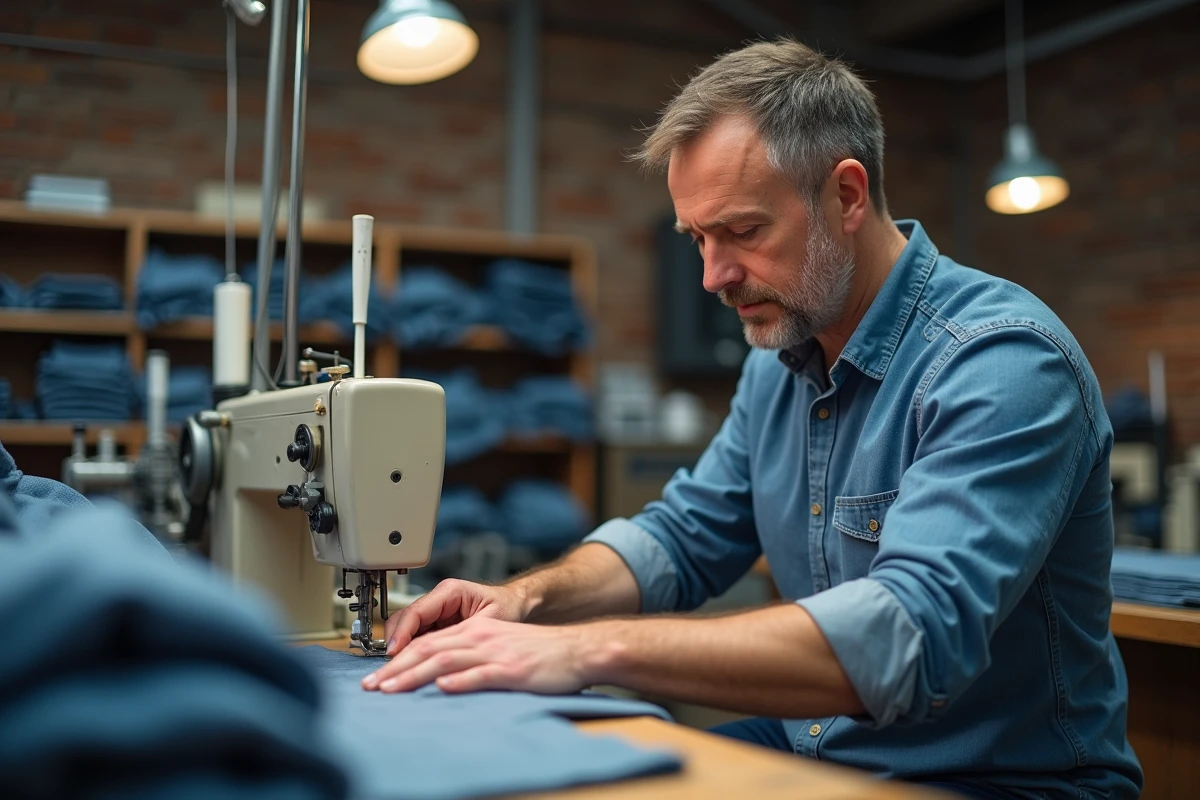
In the workshops: Sézane manufacturing, from design to finished piece
Every Sézane garment is born in Paris. The models are developed on tables, designed by inspired teams attuned to contemporary desires. Always with this concern: to combine sustainability with style. The chosen fabrics, GOTS certified cotton, recycled polyester, FSC labeled viscose, serve both the craft, the planet, and working conditions in the workshop.
The next steps take place in partner workshops, mainly in Portugal, Bulgaria, and sometimes in France. Access is never automatic: each partner adheres to a strict specification, validated by regular audits (BSCI, SMETA, ICS, WCA). Compliance with decent work, safety of positions, and respect for international laws is verified. The selection is stringent.
On the ground, here are the concrete practices that mark the Sézane process:
- Systematic use of certified materials (organic cotton, vegetable-tanned leather, recycled polyester…)
- Reduction of waste through the valorization of scraps and sorting during the design phase.
- For some workshops, gradual integration of renewable energies for powering machines and electrical consumption.
Nothing goes out without verification: each garment is checked, adjusted, and pressed in the workshop before shipping. The brand focuses on quality, preferring rarity over haste. The series are short, far from the flood of fast fashion. In the hands of seamstresses and tailors, each product creates its own story: that of a thoughtfully designed garment, with a clear approach, from the first sketch to the final fitting in front of the mirror.
Ultimately, Sézane is shaping the future of fashion that no longer settles for being beautiful: demanding of itself, aware of its margins for improvement, it invites a rethinking of every purchase. The next selected piece in the store may also carry a subtle glow of this commitment.