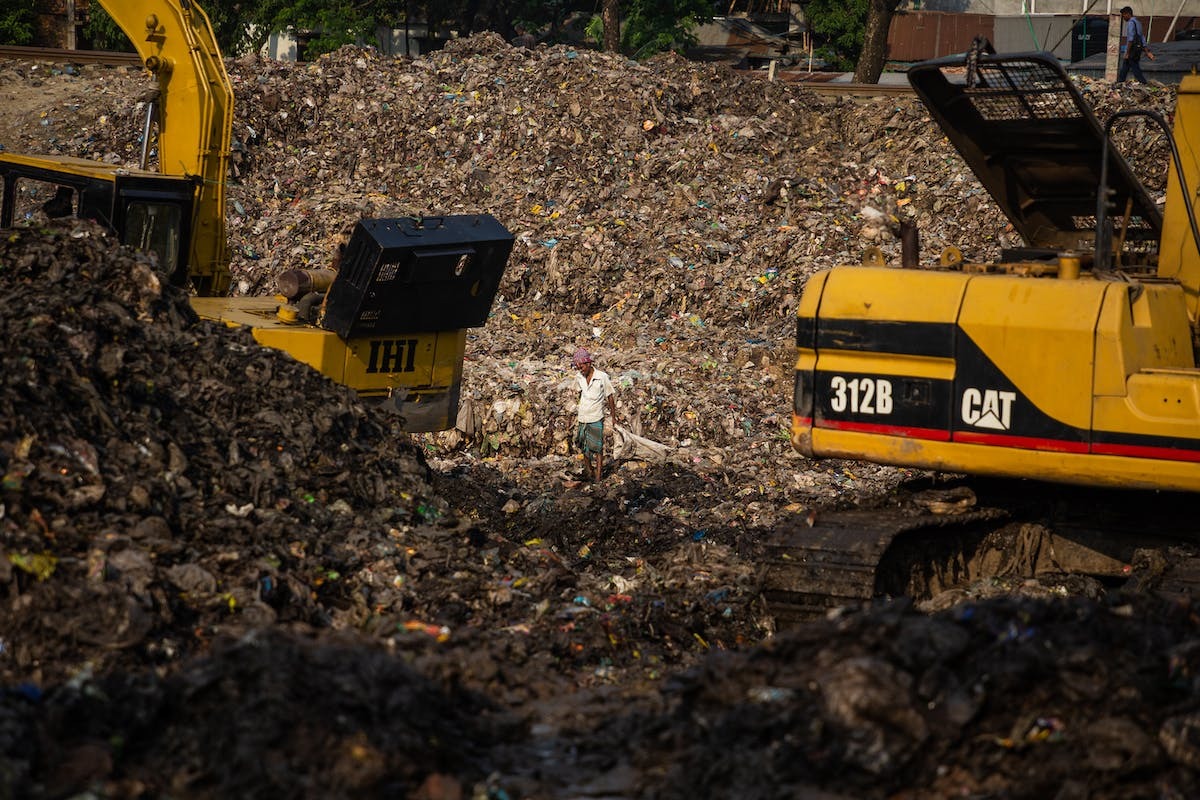
Proper management of waste generated by pets is essential for maintaining a healthy and clean environment. This topic addresses a variety of strategies and methods for effectively disposing of waste from our furry friends. This includes the use of biodegradable bags, the installation of special pet waste bins in parks and public spaces, or the integration of home composting systems. By adopting these practices, pet owners can help reduce their pets’ ecological footprint and maintain the cleanliness of their community.
Pet Waste: A Crucial Ecological Issue
Pet waste, particularly cat litter, is a major ecological issue that requires special attention. Every day, thousands of pet owners face the challenge of managing this smelly waste that can be potentially harmful to the environment.
Understanding the types of waste generated by our four-legged companions is crucial for implementing appropriate management. Beyond feces, there are also plastic bags used during walks or the materials used to clean their litter. All these forms of waste can have an impact on our planet if not properly handled.
Fortunately, there are eco-friendly alternatives for waste management for pets. For example, instead of using traditional plastic bags to pick up cat litter during daily outings, one can opt for biodegradable ones made from plant starch or even use recycled newspaper.
Regarding cat litter, it is possible to choose a more environmentally friendly option such as compostable plant-based natural litter. This significantly reduces the carbon footprint and also provides an alternative to the chemicals often found in conventional brands.
You need to manage pet-related waste. This involves having specific bins for pet waste in public spaces to avoid contamination and facilitate separate collection. Pet owners should make it a habit to dispose of this waste in the appropriate places and ensure it is properly eliminated.
When it comes to waste management for pets in public spaces, you should have distributors of biodegradable bags or stations equipped for composting. They should regularly raise awareness among the public about the importance of cleaning up after their pets.
Awareness and education are also essential for sustainable change in waste management for pets. It is crucial to inform owners about the environmental impact of cat litter and other pet-related waste. Public campaigns can be set up to explain how to properly manage this waste while highlighting its ecological importance.
Responsible management of waste generated by our pets is crucial for preserving our environment. By adopting eco-friendly alternatives and implementing good practices such as separate sorting and regular cleaning in public spaces, we can all contribute to reducing our overall ecological footprint. Together, let’s protect our planet and ensure a sustainable future for our pets and their waste.
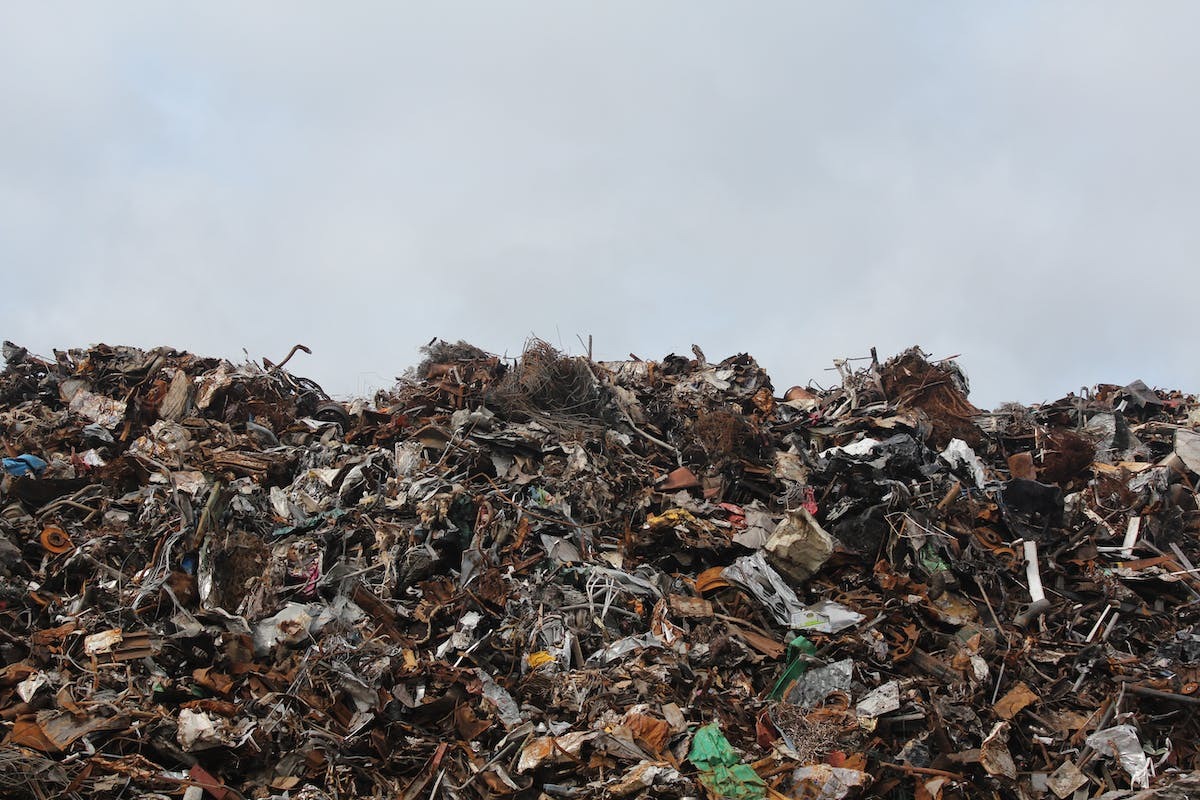
The Different Categories of Waste Generated by Our Companions
In our quest to understand the types of waste generated by our four-legged companions, it is important to note that pet food often comes in non-recyclable packaging such as plastic bags or metal cans. These can accumulate quickly and contribute to environmental pollution.
A more eco-friendly option would be to choose a homemade natural diet or to turn to brands that use recyclable or biodegradable packaging. Similarly, it is recommended to prioritize bulk purchases when possible to reduce packaging waste.
Regarding toys and accessories for pets, there is also a wide range of environmentally friendly options available. Toys made from sustainable materials such as natural rubber or organic cotton offer an alternative to less durable synthetic products. Choosing materials such as wooden brushes with natural bristles instead of plastic ones also helps reduce our environmental impact.
We should not overlook the responsible management of shed fur from our pets. This fur can be collected during regular grooming and used as insulating material in certain craft projects or as a contribution to home composting if it accepts animal organic materials.
It is important to note that managing pet waste is not limited to our homes. When we take our companions for walks or to public spaces, it is essential to adopt responsible practices. This means picking up our pets’ feces and disposing of them in bins specifically designated for this purpose. It is advisable to avoid feeding wild animals during these outings to protect their natural diet and prevent any ecological imbalance.
Understanding the types of waste generated by our four-legged companions and adopting environmentally friendly practices are essential for responsible management. By opting for eco-friendly alternatives such as using recyclable packaging, choosing natural and sustainable foods, and promoting home composting, we can all contribute to reducing our environmental impact.
Eco-Friendly Alternatives for Managing Pet Waste
In our quest to understand the types of waste generated by our four-legged companions, we must seek eco-friendly alternatives for their management. Indeed, a collective awareness is necessary to reduce our environmental footprint.
One of the main alternatives is to adopt a sustainable approach to feeding our pets. Choosing a homemade natural diet not only allows for control over the quality of the ingredients used but also reduces the amount of non-recyclable packaging associated with industrial foods. Additionally, many owners also choose brands that offer recyclable or biodegradable packaging.
We must not only reduce waste related to individual packaging but also encourage a more responsible and ethical mode of consumption.
Regarding toys and accessories for pets, there is now a wide range of environmentally friendly options available.
Best Practices for Managing Pet Waste in Public Spaces
In public spaces, it is essential to install specific bins for pet waste. These bins should be clearly marked and easily accessible. It is recommended to position them near areas frequented by pet owners, such as sidewalks or parks.
To raise public awareness about the importance of selective sorting and responsible waste management in these spaces, it may be wise to display informative and educational signs. These signs can remind owners of their responsibilities regarding cleaning up after their pets and provide information on how to properly dispose of this waste.