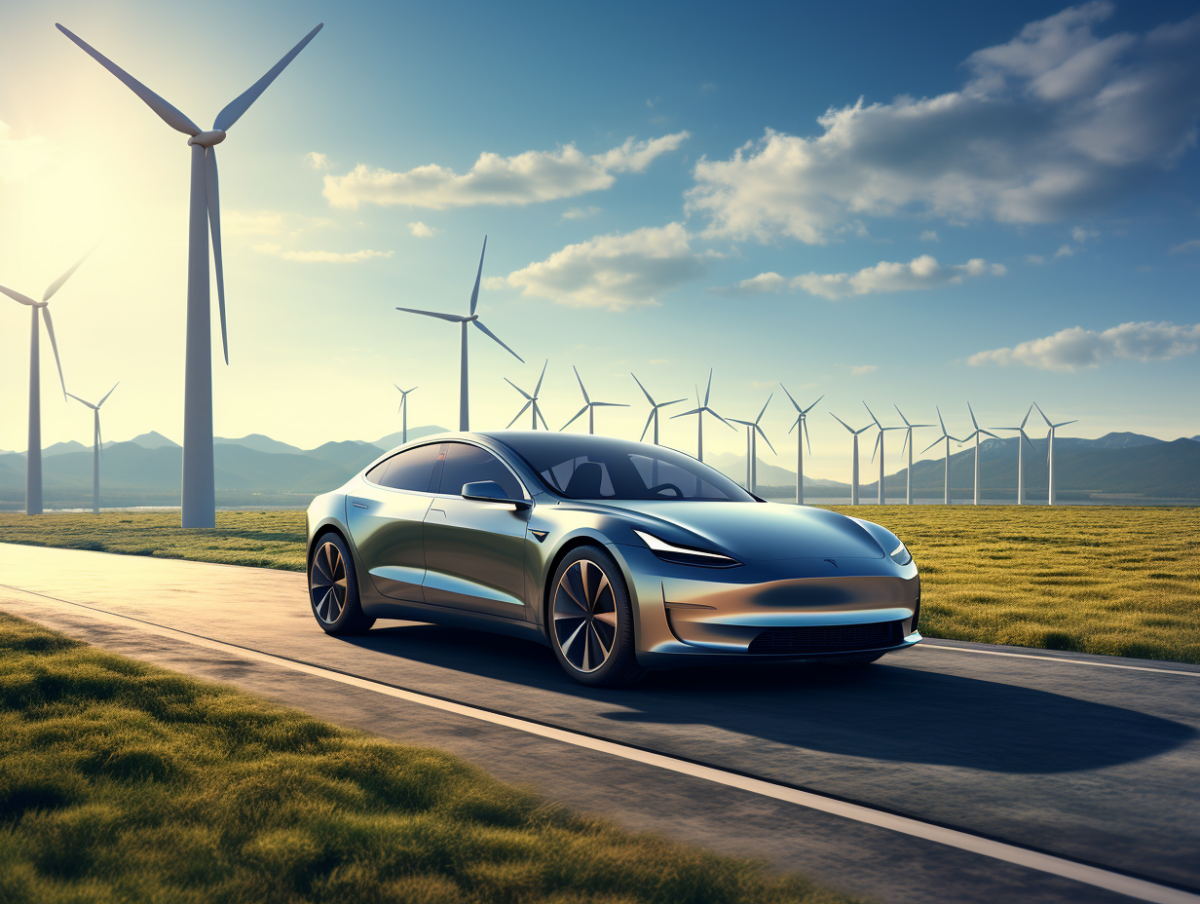
The revolution of electric cars is underway, disrupting the global automotive industry. This energy transition is part of an ecological awareness and a climate urgency, pushing to reduce greenhouse gas emissions. Governments are encouraging the adoption of these clean vehicles through various tax incentives, while manufacturers are investing heavily in research and development of new battery technologies. Consumers are increasingly attracted by the growing range, improved performance, and reduced maintenance costs of electric vehicles. This trend marks the beginning of a new era for sustainable mobility.
Environmental Impact and Technological Advances of Electric Vehicles
Electric vehicles, now essential in the automotive industry, present a promising alternative to reduce the environmental impact of transportation. The transition to these vehicles supports a significant reduction in CO2 emissions, contributing to the mitigation of climate change. The electric vehicle market, constantly expanding, sees its share grow exponentially, with an increase in registrations from 1% to 9% in the European Union between 2018 and 20The technology of lithium-ion batteries is at the heart of the progress made by electric cars. Advances in energy density and battery longevity are driving the industry towards increasingly efficient and autonomous models. ‘WD Car’, for example, symbolizes this innovative momentum, offering enhanced performance through continuous improvement of its batteries.
Europe, aware of the strategic challenge posed by batteries for electric cars, is multiplying initiatives to strengthen its competitiveness in this field. Companies such as Stellantis and Contemporary Amperex Technology Co. Limited (CATL) are at the forefront, developing partnerships and cutting-edge technologies. CATL has, in particular, created its own CIIC platform, dedicated to optimizing battery production and performance.
However, challenges remain significant. The industry must continue to innovate to improve the eco-design of vehicles, further reduce the carbon footprint throughout the battery lifecycle, and increase recycling capacity. The revolution of electric cars is indeed underway, but it is only in its infancy. The road ahead is still long and winding, strewn with technological and economic obstacles to overcome in order to achieve sustainable mobility that respects our environment.

The Challenges and Future of Electric Mobility
In the wake of the transition to electric vehicles, automakers are facing significant challenges. The increase in electric car range tops the list of concerns for consumers and manufacturers. Groups such as Renault, with its Zoe model, are striving to push the limits of range, key to the democratization of electric mobility.
Carlos Tavares, at the helm of Stellantis, announces high ambitions: planning to switch to fully electric between 2027 and 20These ambitious goals reflect the commitment of manufacturers to meet the growing demand for non-polluting vehicles while aligning with strict environmental policies implemented globally.
Alice de Brauer, Director of Environmental Planning at Renault, emphasizes the importance of innovation in designing greener vehicles. The company plans to launch new electric models, integrating the latest innovations in battery technology and energy management systems. These advancements are essential to reduce the ecological footprint while enhancing user experience.
In France, the government and industry players are working to strengthen the electric mobility sector. The accelerated deployment of charging infrastructure, the establishment of tax incentives, and support for research and development are at the heart of this strategy. Renault and other manufacturers benefit from this favorable framework to establish their leadership in the field of electromobility.