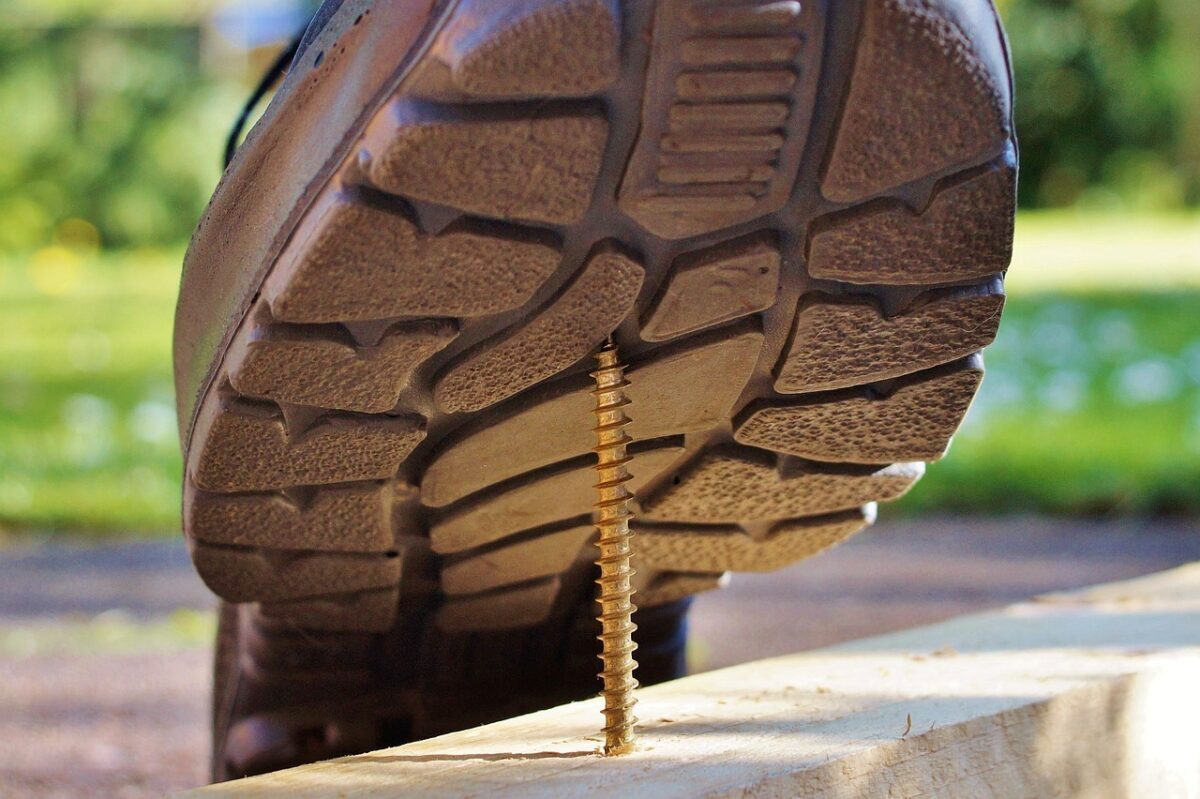
Choosing the right safety shoe is crucial to ensure optimal protection at work. Indeed, the risks of accidents are numerous in many sectors, and it is essential to equip oneself adequately to avoid any incidents. But with the variety of models available on the market, how can one find their way?
The essential characteristics of a safety shoe
A safety shoe must primarily provide effective protection against professional risks. It should be equipped with a steel or composite toe cap to protect the toes from impacts and crush injuries. Additionally, it must be puncture-resistant to prevent injuries caused by sharp objects. Finally, a slip-resistant sole is essential to limit the risk of falls.
The different types of safety shoes
There is a wide variety of safety shoes on the market, suited to each work environment. You can find low models, safety sneakers, high shoes, safety boots, etc. Each type of shoe corresponds to specific needs, so it is essential to choose the most appropriate model based on your professional activity.
The safety standards to comply with
It is important to check that the safety shoe you choose complies with current standards. In Europe, the EN ISO 20345 standard is the reference for safety shoes. This standard ensures that the shoes have been tested and meet strict safety criteria. Therefore, it is recommended to prioritize shoes certified according to this standard.
The comfort criteria to consider
Besides protection, comfort is an essential criterion in choosing a safety shoe. Indeed, it is crucial to feel comfortable in your shoes throughout the workday. Therefore, it is advisable to prioritize breathable, lightweight models with good cushioning. It is also recommended to opt for shoes that provide good foot support to avoid pain and injuries.
The choice of a safety shoe should not be taken lightly. It is essential to find the model that combines protection, comfort, and compliance with safety standards. By considering these different criteria, you will be able to work safely and avoid professional incidents.